What if everyday life in Huntington Beach felt more like a steady coastal routine than a constant vacation? If you’re weighing a move, you probably want the beach within reach without trading away calm streets, easy errands, or a predictable commute. In this guide, you’ll see how locals actually live across coastal and inland neighborhoods, what your day might look like beyond surfing, and what to expect from housing and transportation. Let’s dive in.
Real life, not just surf weekends
On paper, Huntington Beach is a midsize coastal city where most households settle in for the long term. The city counts roughly 193,000 residents and about 78,300 households, with a mean commute of around 28 to 30 minutes. You’ll find a majority of owner-occupied homes and household indicators above state averages, which helps explain stable, residential blocks away from the pier. These figures come from the city’s profile on Census QuickFacts, a solid snapshot of year-round living rather than a tourist tally. Census QuickFacts for Huntington Beach
Daily life follows the weather: mild, walkable mornings near the coast, and sunny afternoons in parks across the city. Most residents plan weeknights and weekends around nearby trails, neighborhood shopping nodes, Central Park facilities, and a few go-to beach access points. The result is a lifestyle that feels active and outdoorsy without the chaos you might picture from big surf events.
Coastal vs. inland: two daily rhythms
Coastal neighborhoods: Downtown, Pier, Main Street
If you live near the pier and Main Street, you can walk or bike to coffee, restaurants, and the weekly Surf City Nights street fair every Tuesday. It becomes a ritual: stroll the farmers market, grab a bite, then head home without getting in the car. You’ll also notice more pedestrian traffic and on-street parking pressure near the pier, with a denser mix of condos, townhomes, and smaller-lot cottages. For a feel of the weekly flow, browse the city’s page for Surf City Nights on Main Street.
Bolsa Chica, Seacliff, and Sunset Beach
North of the pier, mornings and evenings are quieter. Neighbors make use of Bolsa Chica’s protected wetlands and trails for low-key walks, birdwatching, and peaceful sunset views. You get direct access to nature and a calmer pace compared with downtown foot traffic. Explore the area’s trails and programs on the Bolsa Chica State page.
Huntington Harbour
The Harbour is its own world. The routine here includes calm waterside walks, small-boat outings, paddleboarding on windless mornings, and marina maintenance on the weekends. Compared with the surf-facing beaches, it reads as a quieter, boat-first lifestyle. Streets feel residential and steady year-round, with neighborhood parks anchoring everyday life.
Inland neighborhoods: Central Park, Goldenwest, Garfield, Southeast
A few miles inland, you’ll find larger lots, convenient shopping centers, and a family-focused rhythm. Mornings are about school drop-offs and coffee runs. Late afternoons point to youth sports, the dog park, or a loop through Shipley Nature Center in Huntington Central Park. The city’s facilities page covers the library, equestrian center, sports complex, and more that shape these routines. Get a feel for the amenities at Huntington Beach Parks & Recreation.
Shopping and errands: neighborhood nodes vs. regional hubs
Most errands stay close to home at small retail corners, while bigger shopping runs cluster near the I-405/Beach Boulevard corridor. Bella Terra functions as the regional destination for dining and retail on the inland side of town. For context on the center’s regional role, see this overview from The Real Deal on the shopping corridor’s activity: Huntington Beach shopping center news.
Getting around: car-first, bus connections, rail transfers
Huntington Beach is primarily car-dependent for daily errands and commutes. That said, OC Bus (OCTA) runs local and express routes that connect you to Tustin, Irvine, Anaheim, and regional rail hubs. If you plan to use Metrolink or Amtrak occasionally, you’ll connect by bus to a nearby station rather than boarding a train in Huntington Beach. Check current routes and schedules on OCTA’s OC Bus page.
The mean commute time hovers around 28 to 30 minutes citywide. Many residents drive established corridors to employment centers while relying on buses when they need a car-free option. For a high-level commute snapshot, refer to Census QuickFacts.
Outdoor life beyond surfing
The 8.5-mile beach trail
A paved, multiuse trail lines wide stretches of Huntington and Bolsa Chica beaches. Locals bike, run, and take long walks here most days of the year thanks to the mild coastal climate. If you prefer to skip the car on weekends, this trail becomes your backbone for fitness and short scenic rides. You can find coastal trail and access information linked from the Bolsa Chica State page and beach resources.
Wetlands, birding, and quiet nature time
The Bolsa Chica Ecological Reserve offers footbridges, short hikes, and excellent birdwatching. Families use it for easy nature time, and residents return often for low-impact evening walks. Programs and trail guidance are noted on the Bolsa Chica State page.
Central Park: the inland anchor
Huntington Central Park gives you Shipley Nature Center, an equestrian center, disc golf, a sports complex, and the city library. On a typical week, you might hit the dog park midweek, then spend Saturday at youth soccer before grabbing a bite nearby. It is one of the biggest inland perks of living a few miles from the coast. Explore the city’s facilities at Huntington Beach Parks & Recreation.
Water sports beyond big-wave days
You’ll still see surfing, but many residents lean on stand-up paddleboarding, harbor boating, coastal fishing, and kiteboarding for more consistent year-round fun. The harbour’s calm channels fit quick morning paddles, while state beaches support a wider mix of casual water activities. For general beach rules and access, check Huntington State Beach.
Housing types and price patterns
What you’ll find by area
- Coastal and Downtown: older beach bungalows and renovated cottages sit beside higher-end condos and townhomes. Lots are smaller, and walkability is a major draw.
- Huntington Harbour: waterfront single-family homes and gated condo communities often feature private slips, with a lifestyle built around boats and bay access.
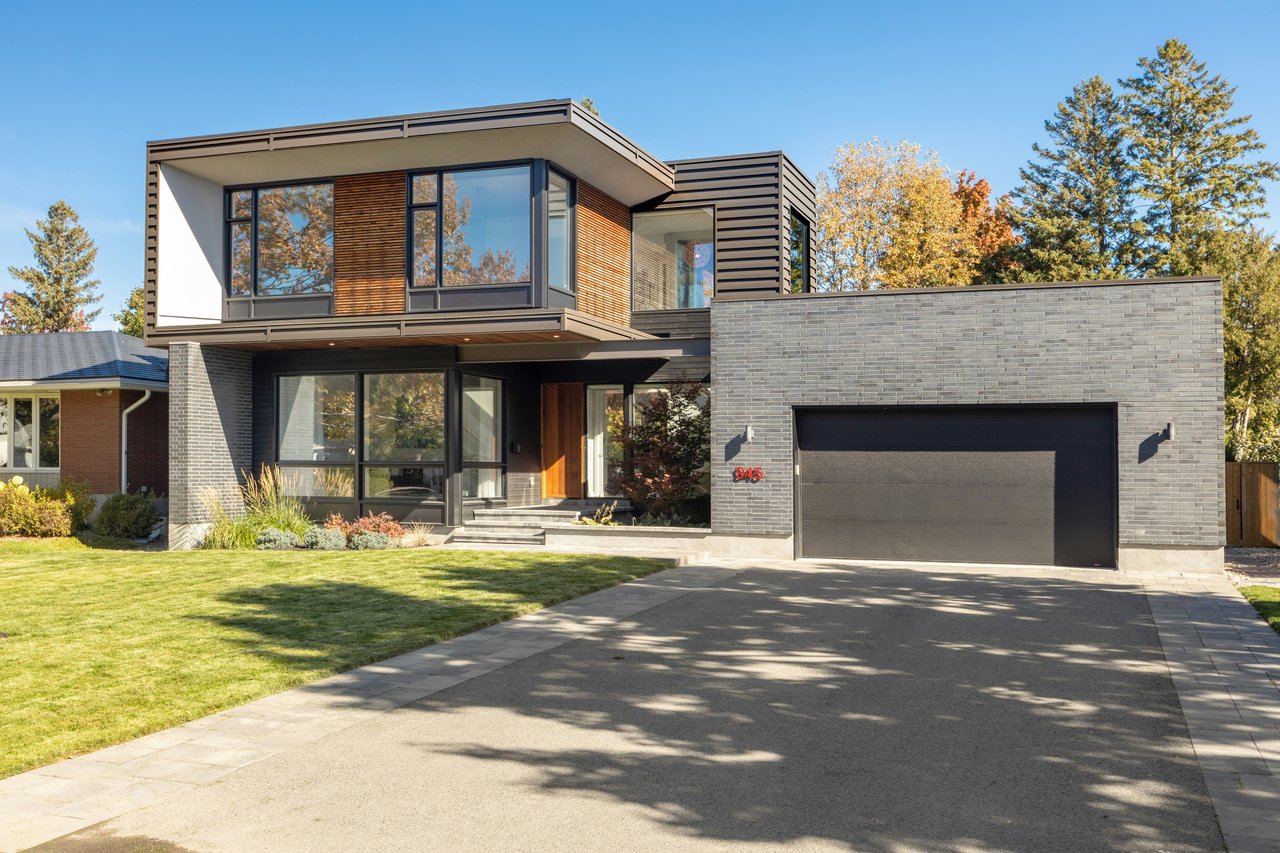
- Inland neighborhoods: mid-century tract homes and suburban subdivisions offer more space near parks and schools, especially around Central Park.
Pricing context and speed
Citywide medians have hovered in the low-to-mid seven figures across late 2024 and into 2025, with neighborhood medians varying by proximity to the water and Main Street. Harbour and prime coastal blocks typically command a premium, while some inland pockets are lower. For a market-level snapshot, refer to the aggregated data page at Listinghub’s Huntington Beach overview. Because inventory and days-on-market move quickly, make sure you review fresh, local data when you’re ready to write an offer.
Ownership vs. rental mix
Owner-occupancy is just over half citywide, which means you’ll find a healthy rental market and some seasonal demand, but most neighborhoods read as long-term residential. This balance supports a stable community feel across many blocks. See the owner-occupied rate on Census QuickFacts.
Balancing beach access with residential stability
Events and seasonality
Summer brings bigger visitor waves near the pier, especially during major surf weeks. Inland neighborhoods and the Harbour tend to feel steadier year-round, which many full-time residents appreciate. If you want a weekly downtown ritual without the weekend rush, Surf City Nights on Tuesdays delivers a lively but local-feeling scene. For details on the weekly market and street fair, check Surf City Nights.
Parking and practical constraints
State beach parking is regulated with day-use fees and posted limits, and downtown streets fill quickly on warm weekends. If you prize daily, car-free access, focus within a few blocks of Main Street or the pier. If you want quieter streets and simpler parking, expand your search a few miles inland. For rules and parking information, start with Huntington State Beach and Bolsa Chica.
How to choose your spot
- Want to walk or bike to the sand and dinner? Look near the first several blocks around Main Street and east of PCH.
- Prefer steady, residential streets and bigger lots? Explore Central Park, Goldenwest, Garfield, and Southeast areas.
- Crave a boat-first routine? Target Huntington Harbour for dock access and calmer waters.
A day in the life: two quick snapshots
- Coastal day: Early coffee, then a run or bike ride on the beach trail. Midday errands at Pacific City or Main Street. Evening stroll through Surf City Nights or a quiet sunset walk near Bolsa Chica.
- Inland day: School drop-off, a quick grocery run at a neighborhood center, and late-afternoon youth sports at Central Park. After dinner, a relaxed dog park visit or a Shipley Nature Center loop.
Quick checklist for buyers
- Define your daily routine: beach trail mornings, harbour paddles, or park-centered afternoons.
- Test your commute at typical hours. Review OCTA route options if you plan to use bus-to-rail connections.
- Map weekly errands to nearby centers and larger hubs like the Beach/405 corridor. See market context via this retail overview.
- Set expectations on pricing: coastal and harbour premiums, with more budget flexibility inland. Check current trends at Listinghub.
- Confirm beach rules and parking before busy weekends: Huntington State Beach and Bolsa Chica.
Your next step
If you’re ready to explore Huntington Beach living beyond the tourist image, you deserve a data-informed plan and local, neighborhood-level guidance. Our team brings polished listing preparation, precise pricing, and negotiation-first buying to help you land the right home and protect your equity. Reach out to the Lily Campbell Team to compare neighborhoods, preview on- and off-market options, and move with confidence.
FAQs
What is everyday life like for Huntington Beach residents?
- Expect a steady, outdoorsy routine: coastal walks or bike rides, inland park time at Central Park, and short errands at neighborhood centers. Big events cluster near the pier during summer.
How do commutes and transit work in Huntington Beach?
- Driving is most common, with a mean commute around 28 to 30 minutes. OC Bus connects to Tustin, Irvine, Anaheim, and regional rail hubs. See OCTA routes and schedules.
Which Huntington Beach areas feel quiet year-round?
- Several inland neighborhoods near Central Park, plus some Harbour streets, tend to feel more stable through the seasons. Explore amenities via Huntington Beach Parks & Recreation.
Can most coastal residents walk to the beach daily?
- If you live within the first several blocks north or south of the pier or east of PCH, daily walking or biking to the beach is realistic. Otherwise, expect short drives and beach parking.
Is there a commuter rail station in Huntington Beach?
- No. You connect to Metrolink or Amtrak via OC Bus at nearby stations. Plan transfers using OCTA’s routes and schedules.