By the Lily Campbell Team
Owning a beautiful home in Fountain Valley comes with a distinct advantage: the city's mild, temperate climate gives you a longer window than most to stay ahead of maintenance tasks before minor issues become costly repairs. That consistency in the great weather is a gift, but it can also lead to complacency. Without the urgency of harsh winters or intense freeze-thaw cycles, it is easy to let property maintenance slide until something breaks at the worst possible time.
The truth is, property value is directly tied to how well a home has been maintained over time. Buyers and appraisers notice deferred maintenance immediately, and it almost always translates to lower offers and longer days on market. Staying proactive with a structured maintenance routine is one of the most effective ways to protect your investment and keep your home performing well, whether you plan to sell in two years or twenty.
This guide breaks down annual home maintenance into manageable seasonal tasks. Follow this rhythm, and your home will stay in strong shape year-round.
Key Takeaways
- Seasonal maintenance tasks, completed consistently, preserve your home's market value over time.
- Fountain Valley's proximity to the coast means moisture management and exterior upkeep deserve special attention throughout the year.
- HVAC, roofing, and irrigation systems are among the highest-impact maintenance priorities.
- Routine inspections catch small problems early before they become expensive structural or mechanical failures.
- A well-documented maintenance history is a meaningful selling point that builds buyer confidence when you're ready to list.
Goals for Winter Maintenance
Winter in Fountain Valley is mild, but that does not mean your home gets a pass. Cooler temperatures and increased rain create the ideal conditions for moisture intrusion, and the rainy season puts roofing, gutters, and drainage systems to the test. This is the perfect time to assess what the previous year left behind and to set your home up for a strong spring.
Start with your roof. Even without heavy snow loads, Southern California roofs take on wear from UV exposure, rain, and debris accumulation over time. Walk the perimeter of your home and look for missing or cracked shingles, soft spots near the eaves, or dark staining that may indicate moss or algae growth. If anything looks questionable, bring in a licensed roofer before the next rain arrives. A minor repair now costs a fraction of what water damage remediation will later.
Gutters and downspouts deserve equal attention. Clogged gutters are one of the most common sources of preventable water damage to foundations and fascia boards. Clear debris from the late fall and make sure that downspouts are directing water at least three feet away from your foundation. While you are at it, check that grading around the home still slopes away from the structure, since soil can settle and shift over time.
Start with your roof. Even without heavy snow loads, Southern California roofs take on wear from UV exposure, rain, and debris accumulation over time. Walk the perimeter of your home and look for missing or cracked shingles, soft spots near the eaves, or dark staining that may indicate moss or algae growth. If anything looks questionable, bring in a licensed roofer before the next rain arrives. A minor repair now costs a fraction of what water damage remediation will later.
Gutters and downspouts deserve equal attention. Clogged gutters are one of the most common sources of preventable water damage to foundations and fascia boards. Clear debris from the late fall and make sure that downspouts are directing water at least three feet away from your foundation. While you are at it, check that grading around the home still slopes away from the structure, since soil can settle and shift over time.
Winter Tasks at a Glance
- Inspect the roof for cracked, missing, or deteriorating shingles and address any issues before the rainy season peaks.
- Clean gutters and downspouts and confirm that water is flowing away from the foundation.
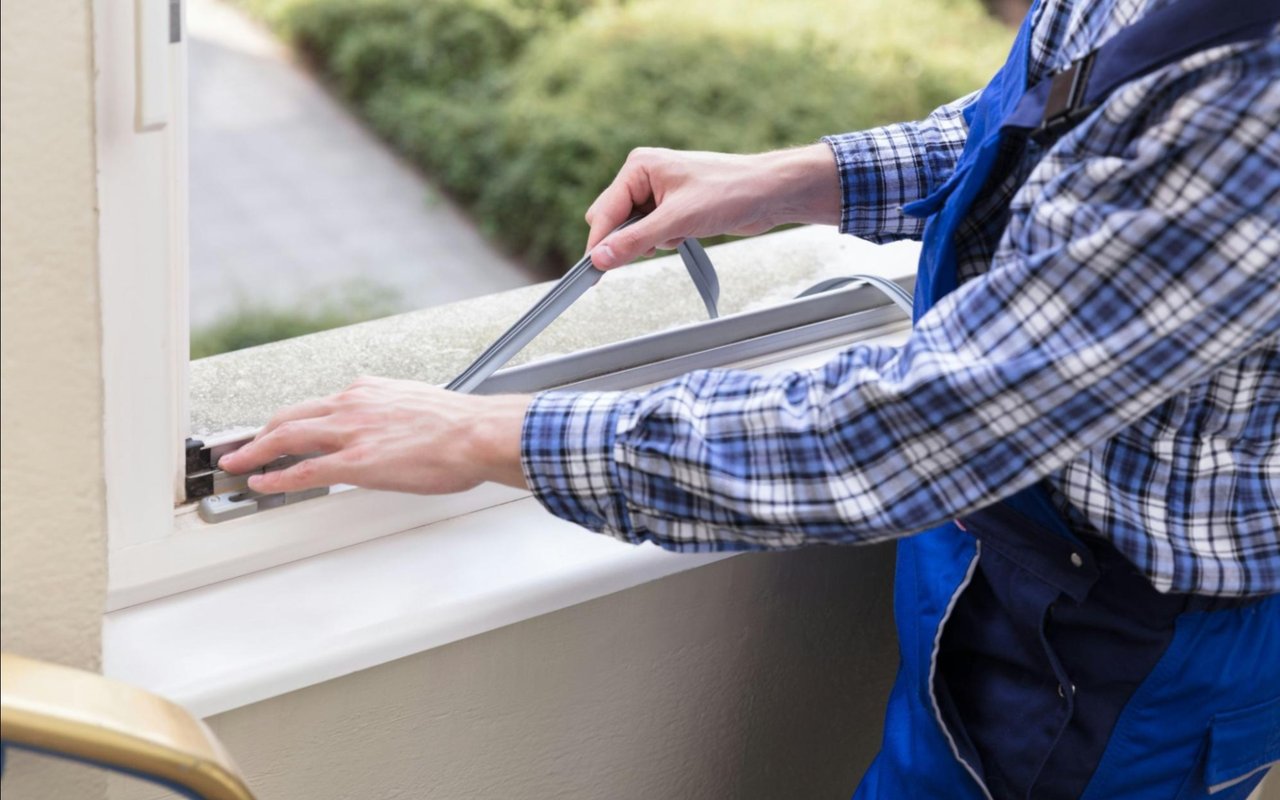
- Check the weatherstripping around the doors and windows.
- Test your heating system and replace the filters; a clean system runs more efficiently and lasts longer.
- Inspect interior ceiling and walls for staining or soft spots that could indicate a slow roof or plumbing leak.
Spring Maintenance Needs
Spring is when Fountain Valley homes wake up, and it is the best time of year to perform a full exterior walkthrough and catch anything that may have shifted over the cooler months. The weather is cooperative, contractors are more available than they will be mid-summer, and completing work now means that your home is ready for the busiest stretch of the year.
HVAC service is the single most important spring task. Before the warm months arrive, have your air conditioning unit inspected and serviced by a licensed technician. This includes cleaning the coils, checking the refrigerant levels, inspecting the electrical connections, and replacing the filters. An HVAC system that has not been serviced is working harder than it needs to and is more likely to fail during the hottest days of the year, which is precisely when you need it most.
Spring is also the right time to assess your landscaping and irrigation. Check your irrigation heads for clogs, broken sprinkler heads, and uneven coverage. Consider converting older irrigation zones to drip systems where possible; this reduces water waste, keeps moisture away from your foundation, and may even qualify for local rebates.
HVAC service is the single most important spring task. Before the warm months arrive, have your air conditioning unit inspected and serviced by a licensed technician. This includes cleaning the coils, checking the refrigerant levels, inspecting the electrical connections, and replacing the filters. An HVAC system that has not been serviced is working harder than it needs to and is more likely to fail during the hottest days of the year, which is precisely when you need it most.
Spring is also the right time to assess your landscaping and irrigation. Check your irrigation heads for clogs, broken sprinkler heads, and uneven coverage. Consider converting older irrigation zones to drip systems where possible; this reduces water waste, keeps moisture away from your foundation, and may even qualify for local rebates.
Spring Tasks at a Glance
- Schedule a professional HVAC tune-up before the warm season begins.
- Inspect the exterior paint and stucco for cracking, peeling, or bubbling, which can allow moisture intrusion.
- Service your irrigation system and audit coverage zones for efficiency.
- Clean and inspect window screens, as coastal air can degrade screens faster than inland climates.
- Check wood decks, fences, and gates for rot, loose fasteners, or finish wear, and treat or reseal as needed.
Must-Do’s in the Summer
Summer in Fountain Valley brings consistent warmth and longer days, which makes it ideal for exterior projects that require dry conditions and extended working hours. This is also the season when your home is under the most mechanical stress, so monitoring essential systems closely pays off.
The exterior of your home takes on significant UV exposure over the summer months. If your paint is more than five to seven years old, run your hand along exterior walls and window trim. Chalking, fading, or visible cracking are signs that the protective layer is breaking down. Repainting is one of the highest-return maintenance investments a homeowner can tackle; fresh exterior paint significantly improves curb appeal and protects the underlying structure from moisture.
Plumbing deserves attention in summer as well. Outdoor hose bibs and exposed pipes should be checked for leaks or drips, since a slow leak running all summer adds up quickly on your water bill and can cause soil erosion near the foundation. If your home has a tankless water heater, summer is a great time to flush the system of mineral deposits that accumulate from hard water.
The exterior of your home takes on significant UV exposure over the summer months. If your paint is more than five to seven years old, run your hand along exterior walls and window trim. Chalking, fading, or visible cracking are signs that the protective layer is breaking down. Repainting is one of the highest-return maintenance investments a homeowner can tackle; fresh exterior paint significantly improves curb appeal and protects the underlying structure from moisture.
Plumbing deserves attention in summer as well. Outdoor hose bibs and exposed pipes should be checked for leaks or drips, since a slow leak running all summer adds up quickly on your water bill and can cause soil erosion near the foundation. If your home has a tankless water heater, summer is a great time to flush the system of mineral deposits that accumulate from hard water.
Summer Tasks at a Glance
- Inspect and repaint exterior surfaces showing UV wear, chalking, or peeling.
- Check outdoor plumbing fixtures, hose bibs, and irrigation valves for leaks.
- Clear any debris from around your HVAC condenser unit and confirm that the airflow is unobstructed.
- Inspect and reseal the garage floor, driveway, or walkways showing cracks or surface wear.
- Clean the dryer vents, which can accumulate lint year-round and become a fire hazard if left unaddressed.
Fall Maintenance Tasks
Fall is the most important planning season. With the rainy season approaching and the holidays bringing additional foot traffic and potential stress to your home's systems, October through December is your window to button everything up.
Begin with a comprehensive plumbing inspection. Water heaters, under-sink supply lines, and toilet connections should all be checked for slow leaks or corrosion.
This is also the right time to address any landscaping that could create problems during winter rains. Trim back trees and large shrubs that hang over your roof or are close to the structure; falling branches cause more roof damage than most homeowners realize. Clear dead plant material from around the foundation and from drainage channels that direct water away from the house.
Begin with a comprehensive plumbing inspection. Water heaters, under-sink supply lines, and toilet connections should all be checked for slow leaks or corrosion.
This is also the right time to address any landscaping that could create problems during winter rains. Trim back trees and large shrubs that hang over your roof or are close to the structure; falling branches cause more roof damage than most homeowners realize. Clear dead plant material from around the foundation and from drainage channels that direct water away from the house.
Fall Tasks at a Glance
- Inspect the water heater for corrosion, age, and efficiency; flush sediment if it has not been done in the past year.
- Trim back overhanging trees and remove dead branches that could fall on the roof during winter storms.
- Test smoke and carbon monoxide detectors and replace batteries as needed.
FAQs
How Often Should a Fountain Valley Homeowner Have Their Roof Inspected?
Most roofing professionals recommend an inspection every two to three years for roofs in good condition and annually for roofs over fifteen years old. After any significant rain event or windstorm, a visual inspection from the ground is always worth completing. Catching issues early extends the roof’s lifespan and prevents interior water damage.
What Are the Most Common Maintenance Issues for Homes in Fountain Valley?
Because of proximity to the coast and significant UV exposure, exterior paint and stucco degradation, irrigation system wear, and HVAC efficiency loss are the most frequently cited maintenance concerns for local homeowners. Foundation drainage may also be an issue, particularly on lots with compacted soil or aging landscaping.
Does Home Maintenance History Affect Property Value When Selling?
Yes, significantly. Buyers in the Fountain Valley market increasingly request documentation of maintenance and service history as part of their due diligence. Homes with organized records of HVAC servicing, roof inspections, and plumbing work appraise more consistently and tend to close with fewer renegotiations after the inspection period.
Your Home Is Worth the Investment
Fountain Valley homes hold excellent value when they are cared for consistently. The local market rewards well-maintained properties with faster sales, stronger offers, and buyers who are willing to compete. The maintenance tasks outlined here are not glamorous, but they are the foundation of a home that performs well over time.
If you are thinking about selling and want to understand which maintenance investments will have the greatest impact on your property, reach out to us at the Lily Campbell Team. We work with Fountain Valley homeowners regularly and can walk you through exactly what buyers are looking for in today's market and how to position your listing to stand out from the rest.
If you are thinking about selling and want to understand which maintenance investments will have the greatest impact on your property, reach out to us at the Lily Campbell Team. We work with Fountain Valley homeowners regularly and can walk you through exactly what buyers are looking for in today's market and how to position your listing to stand out from the rest.