By the Lily Campbell Team
Fountain Valley sits in one of Southern California's most temperate climates, but that doesn't mean that your home isn't working overtime. Air conditioning runs through the summer, heating picks up on cooler nights, and older homes throughout the area are quietly losing conditioned air through drafty windows, under-insulated spaces, and outdated appliances. The result shows up on your utility bill every single month.
The good news is that making your home more energy efficient doesn't require a full renovation budget. Many of the most impactful improvements are surprisingly affordable and achievable. Whether you own a mid-century ranch or a newer build, there are targeted upgrades that can meaningfully reduce what you spend on energy each year.
This guide walks through the most cost-effective ways to improve energy efficiency in your Fountain Valley home, from quick DIY fixes to slightly larger investments that pay off over time. If you're preparing to sell or simply want to lower your monthly overhead, these strategies are worth understanding inside and out.
Key Takeaways
- Energy-focused home improvements in Fountain Valley can reduce monthly utility costs and increase long-term property value.
- Simple weatherization steps like sealing air leaks and adding new insulation deliver some of the highest returns for the lowest investment.
- Smart thermostats and LED lighting are low-cost upgrades with measurable, immediate impact on energy consumption.
- Solar panel installations in Orange County benefit from strong sun exposure that makes the math more favorable than in many other states.
Start With an Energy Audit
Before spending money on any upgrades, understanding where your home is losing energy is essential. A home energy audit gives you a clear picture of your biggest inefficiencies so that you can prioritize the right improvements first rather than guessing.
Southern California Edison offers home energy assessments for qualifying customers. An auditor will walk through your home with diagnostic tools, checking insulation levels, identifying air leaks, evaluating your HVAC system, and testing the efficiency of your appliances. In many cases, homeowners are surprised to learn that the biggest issues aren't the obvious ones; a poorly sealed attic hatch or an outdated water heater can account for a significant portion of monthly energy waste.
Even if you don't opt for a professional audit, you can do a basic self-assessment by checking for drafts around doors and windows, looking at the R-value of your attic insulation, and reviewing your utility bills for unusual seasonal spikes. That baseline gives you a starting point before making any investments.
Southern California Edison offers home energy assessments for qualifying customers. An auditor will walk through your home with diagnostic tools, checking insulation levels, identifying air leaks, evaluating your HVAC system, and testing the efficiency of your appliances. In many cases, homeowners are surprised to learn that the biggest issues aren't the obvious ones; a poorly sealed attic hatch or an outdated water heater can account for a significant portion of monthly energy waste.
Even if you don't opt for a professional audit, you can do a basic self-assessment by checking for drafts around doors and windows, looking at the R-value of your attic insulation, and reviewing your utility bills for unusual seasonal spikes. That baseline gives you a starting point before making any investments.
What an Energy Audit Typically Covers
- Blower door testing to identify air leaks throughout the building envelope.
- Thermal imaging to pinpoint insulation gaps in walls, ceilings, and floors.
- HVAC system evaluation, including duct leakage and equipment age.
- Water heating efficiency and usage patterns.
- Lighting and appliance assessment for energy draw.
Seal and Insulate: The Highest-Return Starting Point
If there's one category of energy efficient home improvements that consistently delivers the best return on investment, it's air sealing and insulation. Fountain Valley's older housing stock, much of it built in the 1960s and 70s, was constructed before modern insulation standards existed. Attics in particular are notorious for allowing conditioned air to escape.
Adding blown-in insulation to an attic is one of the most cost-effective improvements available to homeowners in this area. Depending on your home's current insulation level, this upgrade can be completed for a few hundred dollars and may reduce heating and cooling costs by a meaningful margin year over year. When paired with air sealing, which involves closing gaps around recessed lights, plumbing penetrations, and attic hatches, the combined effect is even more remarkable.
Weatherstripping and door sweeps are the lower-tech versions of the same concept. If you can feel air movement around your exterior doors or see light around the frame when the door is closed, conditioned air is escaping. Replacing worn weatherstripping is a task most homeowners can complete in an afternoon.
Adding blown-in insulation to an attic is one of the most cost-effective improvements available to homeowners in this area. Depending on your home's current insulation level, this upgrade can be completed for a few hundred dollars and may reduce heating and cooling costs by a meaningful margin year over year. When paired with air sealing, which involves closing gaps around recessed lights, plumbing penetrations, and attic hatches, the combined effect is even more remarkable.
Weatherstripping and door sweeps are the lower-tech versions of the same concept. If you can feel air movement around your exterior doors or see light around the frame when the door is closed, conditioned air is escaping. Replacing worn weatherstripping is a task most homeowners can complete in an afternoon.
Home Weatherization Priorities
- Seal gaps around window and door frames with caulk rated for exterior use.
- Install door sweeps on all exterior doors to eliminate drafts at floor level.
- Add attic insulation to meet current California Energy Code recommendations.
- Insulate the garage door if it shares a wall with the main living space.
- Check ductwork in attics and crawl spaces for disconnected or poorly sealed sections.
Upgrade Your Thermostat and HVAC Strategy
Heating and cooling account for the largest share of energy use in most Orange County homes. Upgrading how your system operates, even before replacing the system itself, is one of the fastest ways to reduce energy consumption without a substantial upfront cost.
A smart thermostat is one of the most impactful low-cost upgrades available. Devices like the Ecobee or Google Nest learn your schedule, adjust automatically when you're away, and can be controlled remotely from your phone.
Beyond the thermostat itself, HVAC maintenance matters more than most homeowners realize. Replacing the air filters regularly, having the ducts inspected for leaks, and scheduling annual tune-ups keep your system running at peak efficiency. An HVAC system that's working against a dirty filter or leaking ducts uses notably more energy to achieve the same result.
A smart thermostat is one of the most impactful low-cost upgrades available. Devices like the Ecobee or Google Nest learn your schedule, adjust automatically when you're away, and can be controlled remotely from your phone.
Beyond the thermostat itself, HVAC maintenance matters more than most homeowners realize. Replacing the air filters regularly, having the ducts inspected for leaks, and scheduling annual tune-ups keep your system running at peak efficiency. An HVAC system that's working against a dirty filter or leaking ducts uses notably more energy to achieve the same result.
Smart HVAC Efficiency Strategies
- Set temperature schedules that reduce output during hours when the home is unoccupied.
- Use ceiling fans to extend the comfort range of your thermostat settings, reducing your reliance on the HVAC system.
- Replace the HVAC air filters every 60 to 90 days, or more frequently if you have pets.
- Have the ducts professionally sealed if your home has forced-air heating and cooling.
- Consider a whole-house fan as a supplement to air conditioning during mild evenings.
Switch to LED Lighting and Energy Efficient Appliances
Lighting is often overlooked in conversations about energy savings, but it's one of the easiest wins on the list. If your home still has incandescent bulbs in any fixtures, switching to LED is an upgrade that pays for itself within months. LEDs use much percent less energy than incandescent equivalents and last significantly longer, meaning fewer replacements over time.
On the appliance side, older refrigerators, dishwashers, and washing machines are consistently among the most notable energy users in a home. If your appliances are more than 10 to 15 years old, an ENERGY STAR replacement will use substantially less electricity and water.
On the appliance side, older refrigerators, dishwashers, and washing machines are consistently among the most notable energy users in a home. If your appliances are more than 10 to 15 years old, an ENERGY STAR replacement will use substantially less electricity and water.
Low-Cost Lighting and Appliance Upgrades
- Replace all incandescent and CFL bulbs with LED equivalents rated for each fixture type.
- Install smart power strips to eliminate phantom load from electronics and appliances in standby mode.
- Run the dishwasher and washing machine during off-peak hours to take advantage of time-of-use rate programs.
- Check the ENERGY STAR database before purchasing any new appliance to compare annual operating costs.
- Consider a tankless water heater if your current unit is approaching the end of its lifespan.
Explore Solar
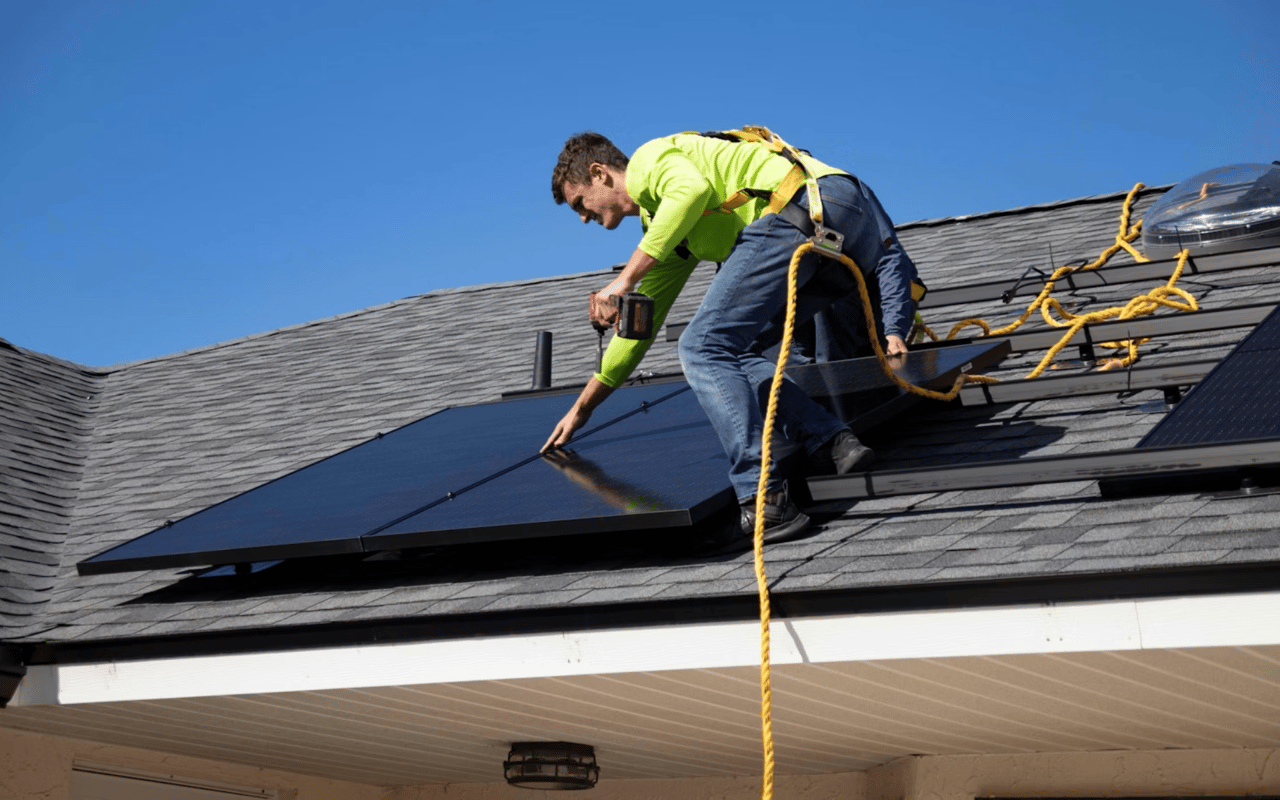
Fountain Valley's sunny location in Orange County makes it an excellent candidate for residential solar. For many households, solar can reduce or eliminate the electricity portion of the utility bill over time.
The upfront cost of a solar installation remains the biggest barrier for most homeowners, but the financial picture has improved significantly in recent years. When evaluating your solar options, it's worth getting multiple quotes and running the numbers against your actual annual electricity usage rather than relying on general projections.
The upfront cost of a solar installation remains the biggest barrier for most homeowners, but the financial picture has improved significantly in recent years. When evaluating your solar options, it's worth getting multiple quotes and running the numbers against your actual annual electricity usage rather than relying on general projections.
California Incentives Worth Knowing
- Federal Residential Clean Energy Credit: covers 30 percent of solar installation costs.
- Southern California Edison rebates for smart thermostats, HVAC upgrades, and qualifying appliances.
- California Self-Generation Incentive Program (SGIP) for battery storage systems.
FAQs
What Are the Most Cost-Effective, Energy Efficient Home Improvements in Fountain Valley?
Air sealing and attic insulation typically deliver the highest return on investment for homes in this area. After that, smart thermostat upgrades and LED lighting conversions offer fast payback periods with minimal upfront cost. For more extensive investments, solar panel systems have become increasingly competitive.
Will Energy Efficient Upgrades Increase My Home's Value in Fountain Valley?
Yes, in most cases. Homes with solar installations, newer HVAC systems, and documented energy efficiency upgrades often sell at a premium compared to similar properties without them. In a market like Fountain Valley, where buyers are often comparing similar properties across Orange County, energy efficiency features are an increasingly relevant differentiating factor.
Is a Home Energy Audit Worth It Before Making Improvements?
For most homeowners, yes. An audit prevents the common mistake of spending money on improvements that don't address the biggest inefficiencies in your specific home. Southern California Edison offers assessments, making this a low-barrier first step before committing to any larger upgrades.
Lower Bills, Higher Value: Making the Move Toward Efficiency
Energy efficiency in a Fountain Valley home is one of those areas where doing the right thing for your wallet and doing the right thing for the long-term value of your property align almost perfectly. The upgrades covered here range from afternoon-level DIY projects to longer-term investments, but all of them move your home in the same direction: lower monthly costs, enhanced comfort, and a more attractive property when it comes time to sell.
When our team works with buyers and sellers throughout Fountain Valley, energy efficiency comes up regularly in client conversations, and we're well-positioned to advise on how specific upgrades affect market value in this area. If you're preparing to list or searching for your match, connect with us at the Lily Campbell Team today to talk through how energy-smart improvements fit into your homeownership strategy.
When our team works with buyers and sellers throughout Fountain Valley, energy efficiency comes up regularly in client conversations, and we're well-positioned to advise on how specific upgrades affect market value in this area. If you're preparing to list or searching for your match, connect with us at the Lily Campbell Team today to talk through how energy-smart improvements fit into your homeownership strategy.