By the Lily Campbell Team
Moving to a new state is one of the most significant transitions you can take on. The moment is exciting and full of possibilities, but it also comes with a long list of logistics that can feel overwhelming. Between updating your documents, transferring services, and actually settling into a new place, the details stack up fast.
The good news is that a well-organized approach to moving across state lines makes the whole process far more manageable than it seems. When you know what to tackle first, what can wait, and what tends to slip through the cracks, you spare yourself weeks of scrambling after move-in day. Whether you are relocating for a new job, a change of scenery, or a fresh start, getting ahead of the process is the single best thing you can do for a seamless journey.
This guide will walk you through the essential things to do when moving to a new state, from the months-long preparation phase all the way through settling in. Think of it as your relocation roadmap.
Key Takeaways
- Starting your preparations at least two to three months before your move date will significantly reduce last-minute stress.
- Decluttering before you pack saves money on transport costs and gives you a cleaner start in your new home.
- Hiring the right moving company or planning a well-organized DIY move takes more lead time than most people expect.
Start Planning Earlier Than You Think
The timeline for a long-distance move is longer than most people expect. If you are hiring a full-service moving company, you should start getting quotes at least two to three months before your target move date. During the summer months and around major holidays, reputable movers get booked quickly, and waiting too long might mean paying more or settling for a company you have not vetted properly.
Begin your research by collecting at least three quotes from licensed and insured interstate movers. Watch for any red flags like unusually low estimates, vague contracts, or companies that ask for substantial upfront deposits. A reputable mover will provide a written estimate and a clear contract outlining the full scope of services.
Once you have selected a mover, build out a timeline that works backward from your move date. Identify what needs to be completed each week, including when utilities at your current home need to be canceled, when new service needs to be set up at your destination, and when your last day in the current home will be. Writing this down and assigning dates to each task is the single most effective way to stay on top of a long-distance move.
Begin your research by collecting at least three quotes from licensed and insured interstate movers. Watch for any red flags like unusually low estimates, vague contracts, or companies that ask for substantial upfront deposits. A reputable mover will provide a written estimate and a clear contract outlining the full scope of services.
Once you have selected a mover, build out a timeline that works backward from your move date. Identify what needs to be completed each week, including when utilities at your current home need to be canceled, when new service needs to be set up at your destination, and when your last day in the current home will be. Writing this down and assigning dates to each task is the single most effective way to stay on top of a long-distance move.
Key Planning Milestones
- Book your moving company at least 8 to 12 weeks in advance for a summer move.
- Set up utilities at your new address at least two weeks before arrival.
- Schedule disconnection of existing utilities for the day after your move-out date.
- Notify your employer, bank, insurance providers, and subscription services of your upcoming address change.
- Arrange temporary housing or hotel stays if there is a gap between your move-out and move-in dates.
Declutter Before You Pack a Single Box
One of the most financially and emotionally valuable steps you can take before a long-distance move is to reduce the volume of what you are moving. Long-distance movers typically charge based on weight and distance, so every item you eliminate is money you keep in your pocket. Beyond the cost savings, arriving in your new home without boxes full of things you did not really want is a relief.
Walk through each room, and be honest about what you actually use and what has been sitting untouched for years. Furniture that works in your current space may not suit your new home's layout. Clothes that have not been worn in two years are unlikely to get more use after the move. Give yourself enough time before packing begins to sort items into categories: keep, donate, sell, and discard.
Selling items through online marketplaces or hosting a moving sale can offset some of your moving costs. For donations, reach out to local organizations in advance so that you have a plan for drop-off or pickup rather than scrambling at the last minute. The goal is to arrive in your new state with only the things that will genuinely serve you there.
Walk through each room, and be honest about what you actually use and what has been sitting untouched for years. Furniture that works in your current space may not suit your new home's layout. Clothes that have not been worn in two years are unlikely to get more use after the move. Give yourself enough time before packing begins to sort items into categories: keep, donate, sell, and discard.
Selling items through online marketplaces or hosting a moving sale can offset some of your moving costs. For donations, reach out to local organizations in advance so that you have a plan for drop-off or pickup rather than scrambling at the last minute. The goal is to arrive in your new state with only the things that will genuinely serve you there.
What To Declutter Before Packing
- Furniture that may not fit or suit the layout of your new space.
- Duplicate kitchen items and appliances you rarely use.
- Clothing that no longer fits or has not been worn in the past year.
- Books, media, and hobby supplies that no longer reflect your current interests.
- Outdoor tools and equipment that may not be relevant in your new home.
Pack Strategically To Protect Your Belongings
Packing for a long-distance move requires more care than packing for a local one. Your boxes will be loaded onto a truck, transported hundreds or thousands of miles, and unloaded. That means fragile items need extra layers of protection, heavy items should go in small boxes, and everything needs to be labeled clearly enough that you can find what you need on the other end without opening every box.
Start packing non-essential rooms first. Guest rooms, storage closets, and seasonal items can typically be boxed up weeks before the move without affecting your daily routine. Give yourself permission to live out of a suitcase in the final days before your move rather than trying to pack and live normally at the same time. Most people underestimate how long packing takes; starting early and packing a few boxes each day is far less overwhelming than trying to finish everything in a weekend.
Label every box on the top and at least one side with the destination room and a brief description of the contents. Color-coding by room with tape or markers makes unloading much faster. If you have items that movers should not load, such as important documents, medications, or valuables, designate a separate bag or box that travels with you and keep it clearly marked.
Start packing non-essential rooms first. Guest rooms, storage closets, and seasonal items can typically be boxed up weeks before the move without affecting your daily routine. Give yourself permission to live out of a suitcase in the final days before your move rather than trying to pack and live normally at the same time. Most people underestimate how long packing takes; starting early and packing a few boxes each day is far less overwhelming than trying to finish everything in a weekend.
Label every box on the top and at least one side with the destination room and a brief description of the contents. Color-coding by room with tape or markers makes unloading much faster. If you have items that movers should not load, such as important documents, medications, or valuables, designate a separate bag or box that travels with you and keep it clearly marked.
Packing Tips for A Long-Distance Move
- Use quality boxes and avoid overloading them; a box that cannot be lifted safely is a liability.
- Wrap fragile items individually and fill empty space in boxes with packing paper or towels.
- Take photos of electronics before disassembling them so that you can reconnect them easily later.
- Pack an “essentials box” with items you will need immediately upon arrival: toiletries, a change of clothes, phone chargers, and basic kitchen supplies.
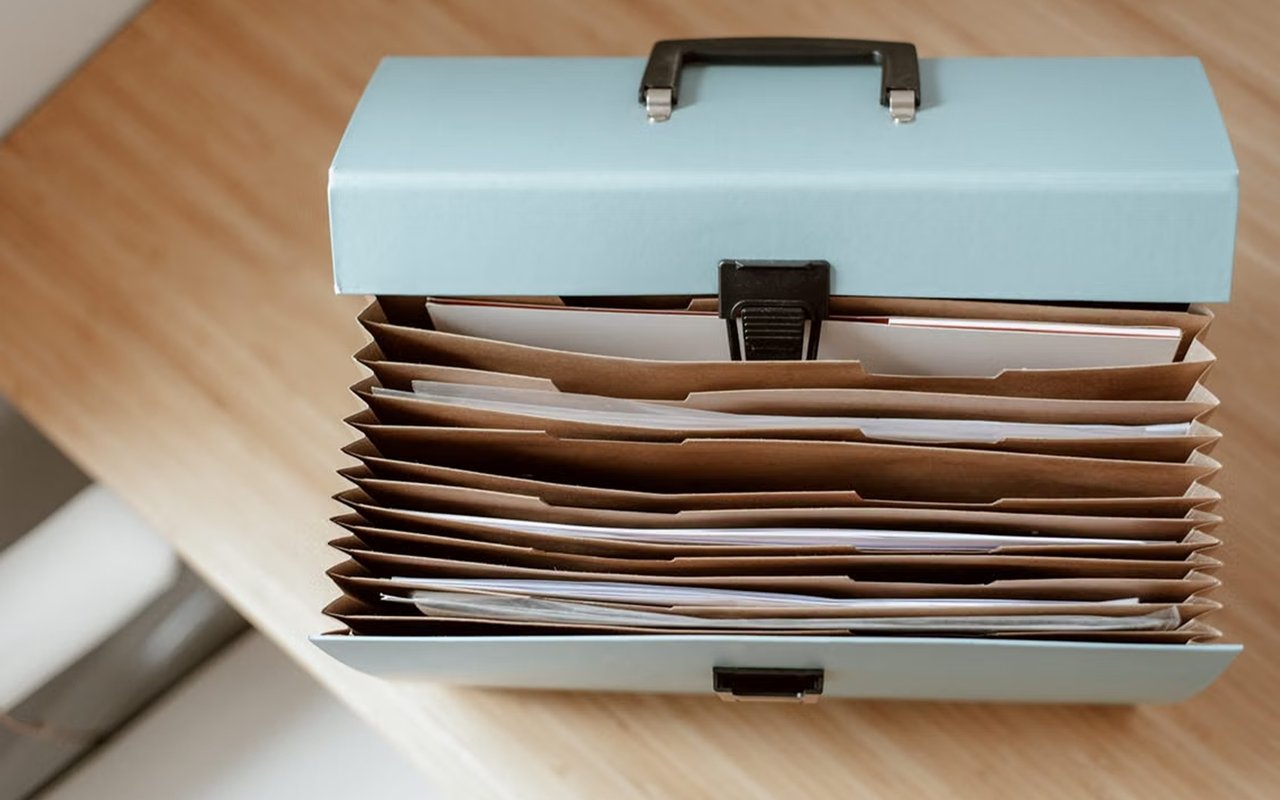
- Keep all moving paperwork, your contract, and the mover's contact information in a folder you carry with you.
Handle The Administrative Tasks In Your New State
Once you arrive, there is a list of official tasks to complete. Most states require new residents to update their driver's license and vehicle registration within 30 to 90 days of establishing residency. Waiting too long can result in fines or complications if you are stopped or involved in an accident with out-of-state credentials.
Start with your address. File a change of address with the United States Postal Service, which will forward mail from your old address and notify many senders automatically. From there, update your address with your bank, employer, health insurance provider, and any government agencies you interact with, including the IRS for tax purposes.
Start with your address. File a change of address with the United States Postal Service, which will forward mail from your old address and notify many senders automatically. From there, update your address with your bank, employer, health insurance provider, and any government agencies you interact with, including the IRS for tax purposes.
Administrative Checklist For New Residents
- Visit the DMV to obtain a new state driver's license and update vehicle registration.
- Notify your health insurance provider of your move, as coverage networks often differ by geography.
- Transfer any professional licenses that require state-level registration.
- Set up a new primary care physician, dentist, and other healthcare providers.
FAQs
How Far In Advance Should I Book A Long-Distance Moving Company?
For peak season moves (between May and September), booking 8 to 12 weeks in advance is strongly recommended. For off-season moves, you may have more flexibility, but 4 to 6 weeks is still a reasonable minimum. The more lead time you give yourself, the more options you will have and the better positioned you will be to compare quotes and choose a mover you trust.
What Documents Should I Keep With Me On Moving Day?
Keep your moving contract, the mover's inventory list, your photo ID, your new home's closing documents, and any insurance information in a bag that travels with you rather than in the moving truck. These are documents you may need to reference quickly, and having them accessible protects you if anything goes wrong in transit.
Is It Worth Hiring Professional Packers For A Long-Distance Move?
Professional packing services add cost but can significantly reduce stress, especially for large households or moves with tight timelines. If movers pack your belongings, they also take on liability for damage in a way they typically do not when you pack yourself. For households with a lot of fragile items or limited time to pack, professional packing is often worth the investment.
Your Next Chapter Starts With the Right First Steps
A long-distance move is a significant undertaking, but it is also an opportunity. These are the first steps toward building a life somewhere new. The more thoughtfully you approach the preparation, the more smoothly the transition will go, and the faster you will feel at home on the other end.
Give yourself grace during the process. The logistics will settle, the paperwork will get done, and the boxes will eventually be unpacked. What you are really working toward is the moment the new place starts to feel like home.
If you are preparing for a move to Fountain Valley and want guidance on what to expect along the way, our team is here to help you navigate every part of the process. Reach out to us at the Lily Campbell Team, and let's get you started on the right foot.
Give yourself grace during the process. The logistics will settle, the paperwork will get done, and the boxes will eventually be unpacked. What you are really working toward is the moment the new place starts to feel like home.
If you are preparing for a move to Fountain Valley and want guidance on what to expect along the way, our team is here to help you navigate every part of the process. Reach out to us at the Lily Campbell Team, and let's get you started on the right foot.