By the Lily Campbell Team
Southern California gives you something most of the country only dreams about: sunshine nearly every day of the year, mild winters, and evenings warm enough to leave the doors open. A sunroom is how you actually cash in on that gift.
When you own a home in Fountain Valley, a well-designed sunroom becomes the room everyone gravitates toward. The trick is designing it so that it feels intentional and connected to the rest of your home rather than tacked on as an afterthought.
Key Takeaways
- Orientation and glazing choices matter more than square footage; the right window placement keeps the room comfortable through Southern California's bright afternoons.
- Natural materials, plants, and a neutral palette help a sunroom feel like a seamless extension of your Fountain Valley home rather than a separate add-on.
- A thoughtfully designed sunroom adds usable living space and can strengthen your home's appeal when it comes time to sell.
Designing For the Southern California Climate
Our region gets intense afternoon sun and long stretches of clear skies, so a sunroom that faces the wrong direction can turn into a greenhouse by two in the afternoon. Getting the orientation right is the foundation of the entire project. East-facing rooms capture gentle morning light and stay cool later in the day, while north-facing rooms deliver soft, even brightness without harsh heat.
Glass is where most of your comfort decisions get made. Low-emissivity coatings reflect heat while letting light through. Operable windows and doors let you pull in the ocean breeze that reaches inland to Fountain Valley on most afternoons, and ceiling fans or a slim ductless unit keep air moving on the warmest days.
What to Consider for Comfort
- Choose glazing with low-emissivity coatings to reduce heat gain while keeping the room bright.
- Position operable windows to capture the prevailing afternoon breeze for natural cooling.
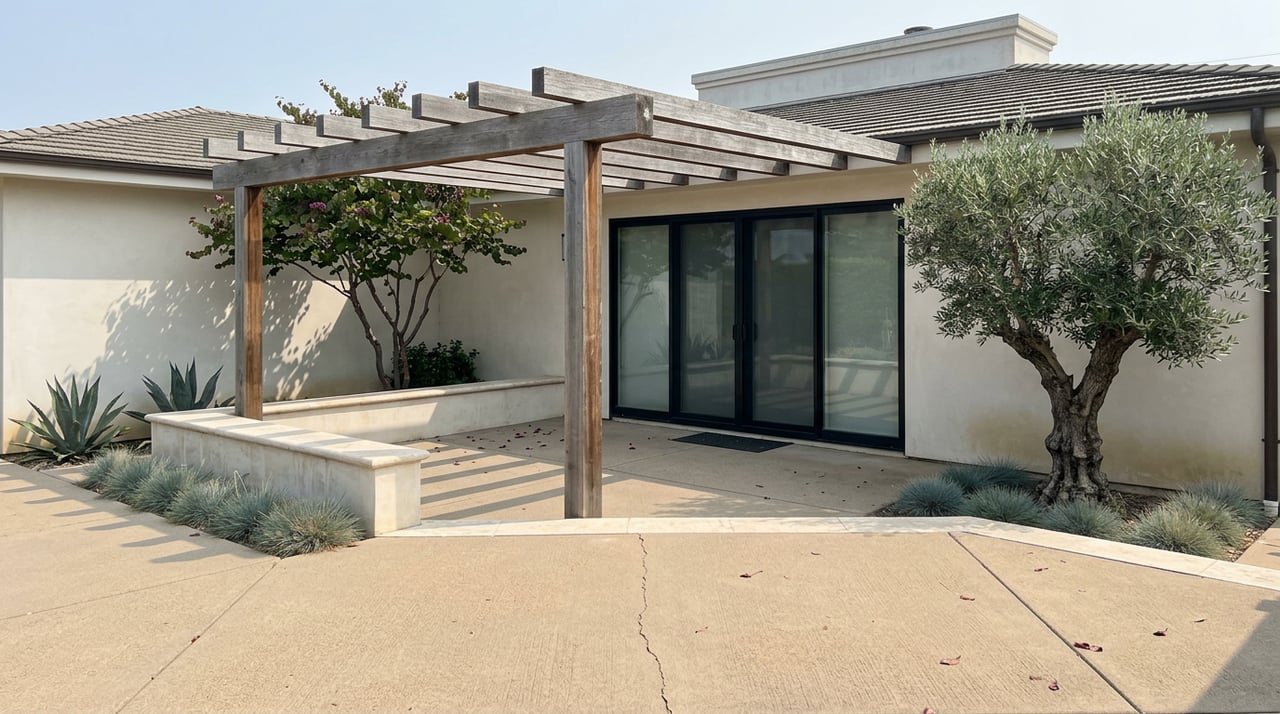
- Add overhead shade, such as deep eaves or a pergola, to soften direct sun during peak hours.
- Include a ceiling fan or compact ductless unit so the room stays comfortable on the hottest days.
Choosing Materials and a Palette That Flows
A sunroom should feel like it has always been part of your house, and materials are what make that happen. Continuing your existing floor into the sunroom is one of the simplest ways to create that seamless flow, whether that means extending the hardwood, laying a complementary tile, or choosing a porcelain plank that stands up to sun and moisture.
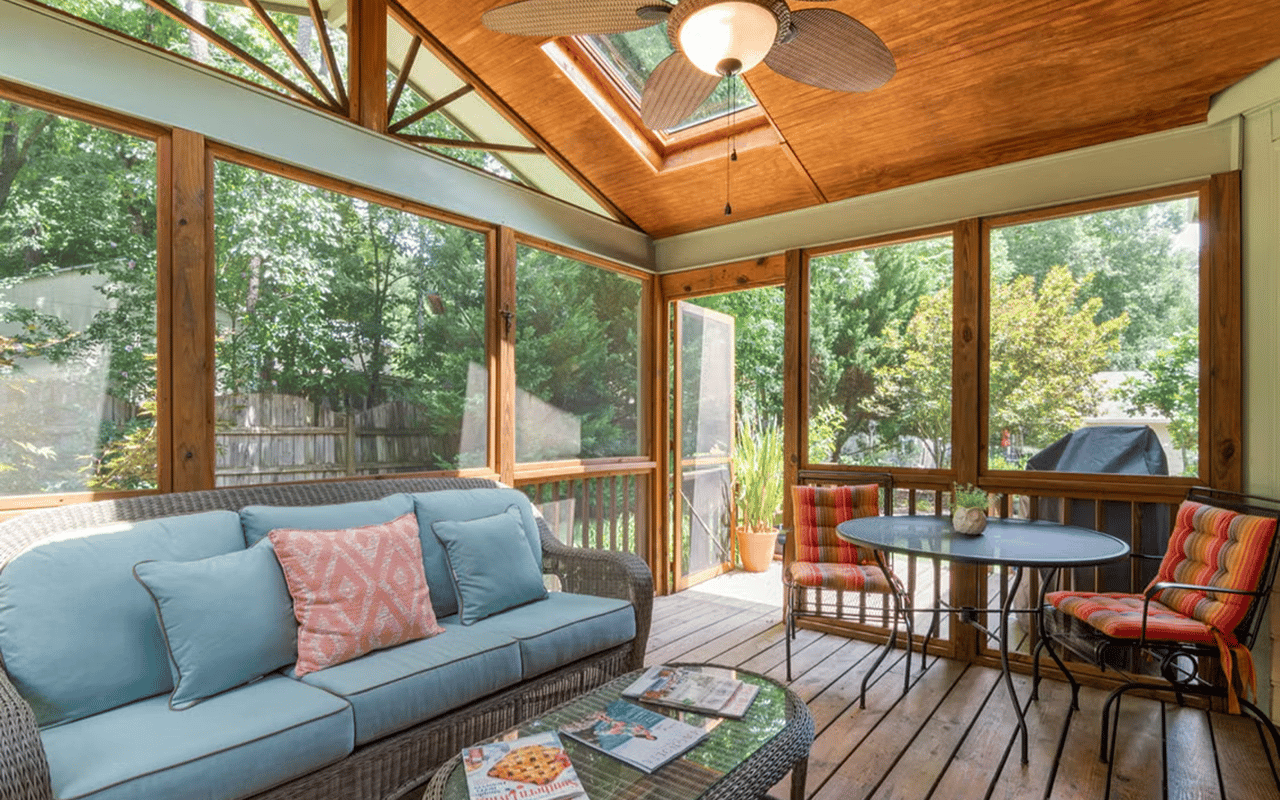
Natural materials tend to shine in these rooms because they echo the outdoor setting you are trying to connect with. Think warm woods, rattan and cane accents, stone or concrete surfaces, and textiles in linen and cotton.
Durability deserves real attention here because this room takes more sun than any other in your Fountain Valley home. Performance textiles rated for UV exposure will save you from replacing the cushions every couple of years, and any wood should be sealed or naturally weather-resistant.
Top Material Choices
- Extend your existing flooring, or select a sun-friendly tile, so the room connects visually to the rest of the home.
- Bring in natural textures, such as rattan, cane, wood, and stone, to echo the outdoor setting.
- Anchor the space with a neutral base palette and add color through a few well-chosen accents.
- Select UV-resistant, performance fabrics that hold their color through years of direct light.
Blurring the Line Between Indoors and Out
The whole point of a sunroom in this climate is erasing the boundary between your house and your backyard, and a few design moves make that boundary disappear almost entirely. Large sliding or folding glass door systems are the star here. When they open fully, the sunroom and the patio become one continuous space, and the room you sit in on a cool evening becomes an open-air pavilion on a warm afternoon.
Continuity of design carries the illusion the rest of the way. When the colors, materials, and even the furniture style flow from the sunroom out to the patio, your eye reads the two areas as a single environment. Water features, an outdoor kitchen, or a fire element just beyond the glass give the room a focal point and a reason to keep the doors open long after the sun goes down.
Ways to Connect the Spaces
- Install sliding or folding glass doors that open the room fully to the patio.
- Keep interior and exterior flooring at the same level, so the transition feels seamless.
- Carry your palette and materials outdoors, so the two spaces read as one environment.
- Frame the view with landscaping, so the greenery outside becomes part of the room's design.
FAQs
What Is the Best Direction for a Sunroom In Southern California?
East and north-facing sunrooms tend to work best in our climate because they capture bright, comfortable light without the intense afternoon heat that comes with western exposure. That said, a south- or west-facing room can be just as enjoyable with the right glazing, shade structures, and ventilation. When we walk your property together, we can help you evaluate your lot and sun exposure to find the orientation that will serve you best.
How Do I Keep a Sunroom From Getting Too Hot?
The most effective approach combines low-emissivity glazing, operable windows for cross-ventilation, and overhead shade, such as deep eaves or a pergola. Adding a ceiling fan or a compact ductless unit gives you extra control on the warmest days. With these elements working together, your sunroom stays comfortable even during a stretch of bright, clear afternoons.
Do Sunrooms Add Value To a Home in Fountain Valley?
A well-designed sunroom typically adds usable living space and broadens a home's appeal, both of which can strengthen its position on the Fountain Valley real estate market. Buyers in our area respond well to bright, flexible rooms that lean into the indoor-outdoor lifestyle, so a quality sunroom often stands out during showings.
Make the Most of Your Fountain Valley Sunroom
A sunroom is one of the most rewarding additions you can make in a climate built for indoor-outdoor living. By getting the orientation, glazing, and shade right, choosing materials that flow with the rest of your home, and furnishing the space for the way you actually live, you create a room that works from sunrise to well past sunset, in every season of the year.
The details are where these projects come together, and small decisions about light, flow, and materials make an enormous difference in the final result. Whether you are planning a renovation, weighing an addition, or thinking ahead to how a sunroom might position your Fountain Valley home for a future sale, having local guidance makes the process far smoother.
At the Lily Campbell Team, we know Fountain Valley and the surrounding coastal communities inside and out, and we love helping homeowners make the most of everything this area offers. We would be glad to walk your space with you and help you take the next step.