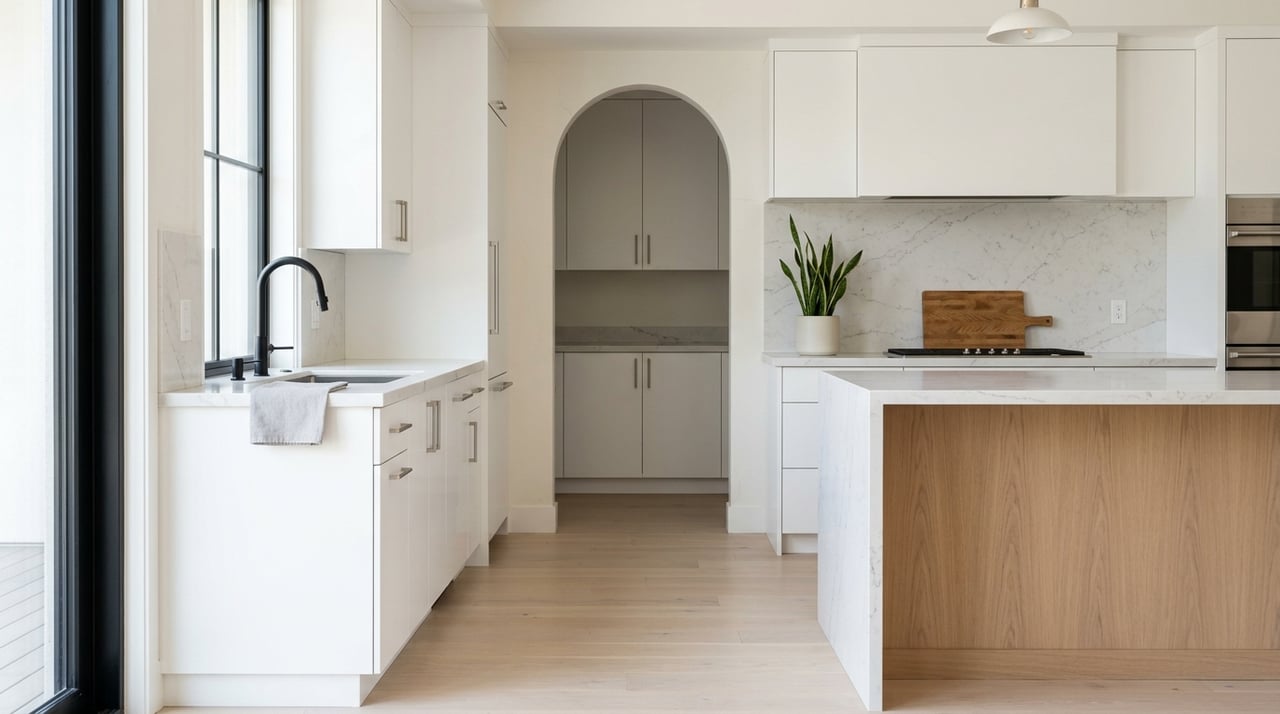
Wondering whether your older Newport Beach home needs a major remodel before you sell? In this market, the answer is usually more strategic than dramatic. Buyers still pay attention to location, but current market data also shows they can be selective, which means condition, presentation, documentation, and pricing all matter. If you want to protect your equity and reduce surprises in escrow, the smartest path is often thoughtful preparation, not rushed renovation. Let’s dive in.
Start With Newport Beach Reality
Newport Beach remains a high-value market, but it is not a market where older homes automatically sell at top dollar without effort. Recent housing trackers show a premium price point, while also showing differences between list prices, sale prices, and time on market.
The shared takeaway is simple: buyers are still willing to negotiate, especially when a home shows wear, has original systems, or comes with missing records. If your home is older, you should prepare it as a product that needs to inspire confidence from the first online impression through closing.
Gather Records Before You Touch Anything
For older homes, paperwork can be just as important as paint colors. Newport Beach offers online permit-history searches, and the city also offers a Residential Building Record, or RBR, which compiles permit history and zoning information and can include an inspection option.
The city recommends requesting the RBR around the time of listing so there is time to fix issues before escrow. That can be especially helpful if your home has older improvements like patio enclosures, reroofing, window changes, or additions that were completed years ago.
The RBR inspection can also identify visible life-safety items. These may include smoke detectors, water-heater seismic strapping, legal pool enclosure issues, and whether visible construction appears to have been completed with permits.
Why records matter for older homes
When buyers see an older Newport Beach property, they often ask the same questions. Were the updates permitted? When was the roof done? Were the windows replaced legally? Are there any open issues that could slow down financing or escrow?
If you can answer those questions early, you reduce uncertainty. That usually makes pricing, negotiation, and buyer confidence much easier to manage.
Check Permit Rules Before Pre-List Upgrades
It is tempting to knock out a few quick projects before listing. But in Newport Beach, even small updates may need the right permit path, so it is wise to confirm the rules before work begins.
The city’s online permitting guidance says simple single-scope work such as replacing roofing, replacing a furnace, or changing out windows and doors may qualify for express permits. Remodels and projects that require multiple permits need plan review instead.
There is another important layer in Newport Beach. The city says most development within the Coastal Zone requires a Coastal Development Permit, and about 47% of the city’s land area falls within that zone.
Best approach for pre-list projects
Before you spend money, verify whether the work needs:
- An express permit
- Full plan review
- Coastal review
- No permit at all, based on city guidance
This step can save you from delays, rework, or disclosures that raise questions later. For many sellers, the best return comes from improvements that are clearly allowed, visually noticeable, and unlikely to create timing issues.
Focus on High-Impact Cosmetic Prep
If your home feels dated, that does not automatically mean you need a full remodel. In many cases, cosmetic polish and visible maintenance are the better pre-sale investment.
The 2025 Profile of Home Staging found that 49% of sellers’ agents said staging reduced time on market. It also found that 83% of buyers’ agents said staging made it easier for buyers to imagine the property as their future home, and 29% said staging increased the offered price by 1% to 10%.
That does not mean every older Newport Beach home needs a complete redesign. It does suggest that buyers respond well when a home feels clean, intentional, bright, and easy to understand.
Smart updates that often help
For many older homes, start with the basics:
- Declutter every room
- Simplify furniture layout
- Freshen interior paint where needed
- Improve lighting and replace dim bulbs
- Repair items that suggest deferred maintenance
- Clean windows, floors, and hard surfaces thoroughly
- Refresh exterior areas that appear weathered
In a coastal luxury market, presentation matters online as much as it does in person. A polished home photographs better, attracts stronger initial interest, and helps buyers form a better impression before they ever walk through the door.
Inspect for Coastal Wear and Common Older-Home Issues
Older Newport Beach homes face wear patterns that inland properties may not show as quickly. Salt air and moisture can accelerate corrosion, and damaged roof flashing can contribute to leaks, corrosion, and dry rot.
That makes it worth checking exterior trim, flashing, soffits, sealants, and exposed metal hardware before photos and showings. If these items look neglected, buyers may assume bigger maintenance issues are waiting underneath.
Don’t ignore termite and WDO concerns
California’s Structural Pest Control Board notes that many lending institutions require homes in California to be inspected for wood-destroying pests and organisms before financing. For that reason, a termite or WDO report is often a practical part of pre-list prep for an older home.
If issues exist, you have more control when you find out early. You can decide whether to repair, disclose, price accordingly, or prepare documentation that helps buyers understand the scope.
Be careful with pre-1978 paint work
If your home was built before 1978, lead-based paint rules matter. Sellers must disclose known lead-based paint hazards before a sale, and renovation or repair work that disturbs lead paint can create significant dust unless lead-safe work practices are used.
So if you are thinking about last-minute scraping, sanding, or repainting, pause first. The goal is to improve appearance without creating avoidable disclosure or safety concerns.
Prepare Flood and Coastal-Risk Information When Relevant
Not every Newport Beach property has the same exposure, but waterfront, harbor-adjacent, and low-lying homes may need extra preparation. FEMA identifies coastal communities as areas that can face storm surge, waves, and erosion.
For sellers, this means it can be helpful to gather flood-zone information and elevation documentation when relevant. Having that information ready can reduce uncertainty for buyers who are comparing insurance costs, financing requirements, or long-term property considerations.
Build a stronger seller file
For many older Newport Beach homes, a strong pre-list file may include:
- Permit history or a Residential Building Record
- Records for past improvements
- A termite or WDO report, if obtained
- Lead disclosure material for pre-1978 homes
- Flood-zone or elevation information, where relevant
- Natural hazard disclosure information when applicable
This kind of preparation does not just help with compliance. It also helps support your pricing and shows buyers you have taken the sale seriously.
Price for Condition, Not Memory
This can be the hardest part for long-time owners. You may remember every upgrade, every family milestone, and every season the home has carried you through. Buyers, however, compare your home to what else they can buy right now.
Current market data suggests Newport Beach homes are often selling slightly below asking, with sale-to-list ratios around 97% to 98%. That means pricing discipline still matters, especially for homes with original finishes, deferred maintenance, or incomplete documentation.
What buyers usually reward
Buyers tend to pay more confidently for homes that offer:
- Clear condition and maintenance story
- Strong visual presentation
- Fewer unanswered permit questions
- Cleaner disclosures
- Realistic pricing based on current competition
If your home is dated, overpricing it because of location alone can narrow your buyer pool. A better strategy is to price against actual condition and let strong presentation and documentation support the value.
Treat Disclosures as Part of Your Strategy
In California, disclosures are not just paperwork at the end. They are part of how you prepare, price, and negotiate from the start.
The California Department of Real Estate states that the Real Estate Transfer Disclosure Statement is not a warranty and is not a substitute for inspections. The California Geological Survey also says sellers must disclose mapped seismic hazards through the Natural Hazards Disclosure process when applicable.
For older homes, complete and organized disclosures can reduce friction. They help buyers understand the property more clearly and make it easier for you to avoid preventable disputes during escrow.
A Practical Pre-Listing Plan
If you want a clean, smart path to market, keep your preparation focused. You do not need to solve every old-house quirk, but you do want to address the issues most likely to affect buyer confidence.
Here is a practical order of operations:
- Pull permit history and consider an RBR.
- Verify permit and coastal-review requirements before starting updates.
- Identify visible maintenance issues, especially exterior coastal wear.
- Consider a termite or WDO inspection for early clarity.
- Handle decluttering, paint touch-ups, lighting, and staging.
- Gather disclosure-related documents, including lead and hazard information when applicable.
- Price based on current condition, documentation, and competition.
That sequence helps you make decisions with better information. It also helps you avoid overspending on work that may not improve your final result.
If you are preparing an older Newport Beach home to sell, the goal is not perfection. The goal is confidence. With the right mix of records, repairs, presentation, and pricing, you can bring your home to market in a way that feels polished, credible, and well-positioned for today’s buyers. When you’re ready for expert guidance on preparation, pricing, and negotiation, connect with the Lily Campbell Team.
FAQs
What should you fix before selling an older Newport Beach home?
- Focus first on visible maintenance, safety-related items, documentation gaps, and presentation updates such as decluttering, lighting, paint touch-ups, and minor repairs that make the home feel well cared for.
Do pre-listing updates in Newport Beach need permits?
- Some do. Newport Beach says projects such as roofing, window and door replacement, and remodels can follow different approval paths, so you should confirm permit and possible coastal-review requirements before starting work.
Is a Residential Building Record useful for an older Newport Beach home sale?
- Yes. The city says an RBR can compile permit history and zoning information and may include an inspection option, which can help you identify issues before escrow.
Should you get a termite inspection before listing an older California home?
- It is often a smart step because California’s Structural Pest Control Board says many lending institutions require inspections for wood-destroying pests and organisms before financing.
What disclosures matter when selling an older Newport Beach home?
- Depending on the property, key items may include the Transfer Disclosure Statement, Natural Hazards Disclosure, lead-based paint disclosures for homes built before 1978, and supporting records for prior permitted improvements.
Should you remodel or just stage an older Newport Beach home before sale?
- In many cases, careful cleaning, decluttering, staging, and correcting obvious faults are the more practical move, especially when you want to improve presentation without creating permit or timing complications.