Thinking about selling your older Garden Grove home but not sure where to start? You’re not alone. Many homes here were built in the 1950s–1970s, and today’s buyers want move‑in confidence, clean design, and standout photos. In this guide, you’ll get a simple game plan to protect your equity: what to fix first, which updates pay off, what permits and disclosures to plan for, and how to stage for a fast, strong sale. Let’s dive in.
What buyers expect in Garden Grove
Today’s Orange County buyers look for solid mechanical systems, clean finishes, and an attractive online presentation. In the current market, small, visible updates paired with strong photography and staging can shorten days on market and lift offers. Garden Grove’s mid‑century housing stock means you’ll often see similar needs across homes, which makes a focused prep plan even more effective.
Prioritize safety and systems first
Address critical repairs
Start with anything that can alarm an appraiser, lender, or buyer: roof leaks or aging roofs, unreliable HVAC, unsafe electrical panels, active water intrusion, mold, or visible structural issues. If your inspector flags a safety item, fix it or disclose it clearly. This protects value and prevents deal‑breaking surprises during escrow.
Install smoke and carbon‑monoxide devices
California requires operable smoke alarms and carbon‑monoxide devices at sale. These are low‑cost fixes that reduce buyer friction and appraisal callbacks. Review state requirements for placement and point‑of‑sale compliance and verify with local code before listing. See the state statute on smoke and CO devices for guidance: California Health & Safety Code section 13113.8.
Get ahead of termite and WDO issues
Most lenders and buyers expect a termite or wood‑destroying organism (WDO) inspection, and active (Section I) items often must be treated before close. Schedule a licensed Branch‑3 inspection early if your home is older or you suspect damage. Review inspection and reporting standards in California’s Business & Professions Code section 8516.
Solve plumbing and moisture concerns
Fix known leaks, slow drains, or chronic moisture right away. These issues can show up on pest reports and lead to price concessions. Buyers may also ask about local water information, so have recent city water quality and service details ready from Garden Grove’s water quality and LSLI resources.
Confirm permit needs early
Any structural, electrical, plumbing, or mechanical work may require a permit. Plan your timeline with the City of Garden Grove’s Building & Safety Division and allow for plan check and inspections. Keep all receipts and finaled permits for your disclosure package. Review permit guidance from Garden Grove Building & Safety.
High‑ROI updates that pay in OC
Once safety and systems are squared away, focus on targeted updates with strong resale math in the Pacific region.
- Minor kitchen refresh. Paint or reface cabinets, add modern hardware, update counters and a few mid‑range appliances. Regional Cost vs. Value data shows minor midrange kitchens often recoup a strong share of cost. Explore regional benchmarks at Remodeling’s Cost vs. Value, Pacific.
- Bath refresh. Replace aging faucets, lighting, mirrors, and surfaces where worn. Keep layouts intact to control costs.
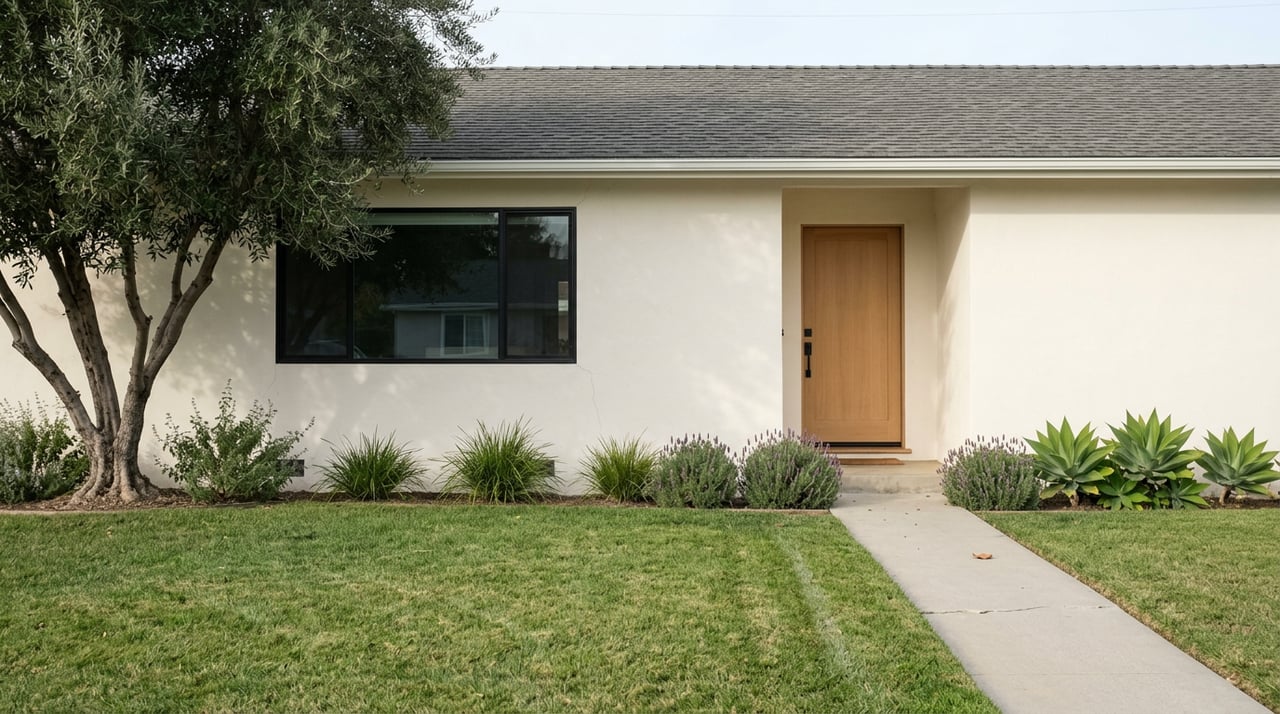
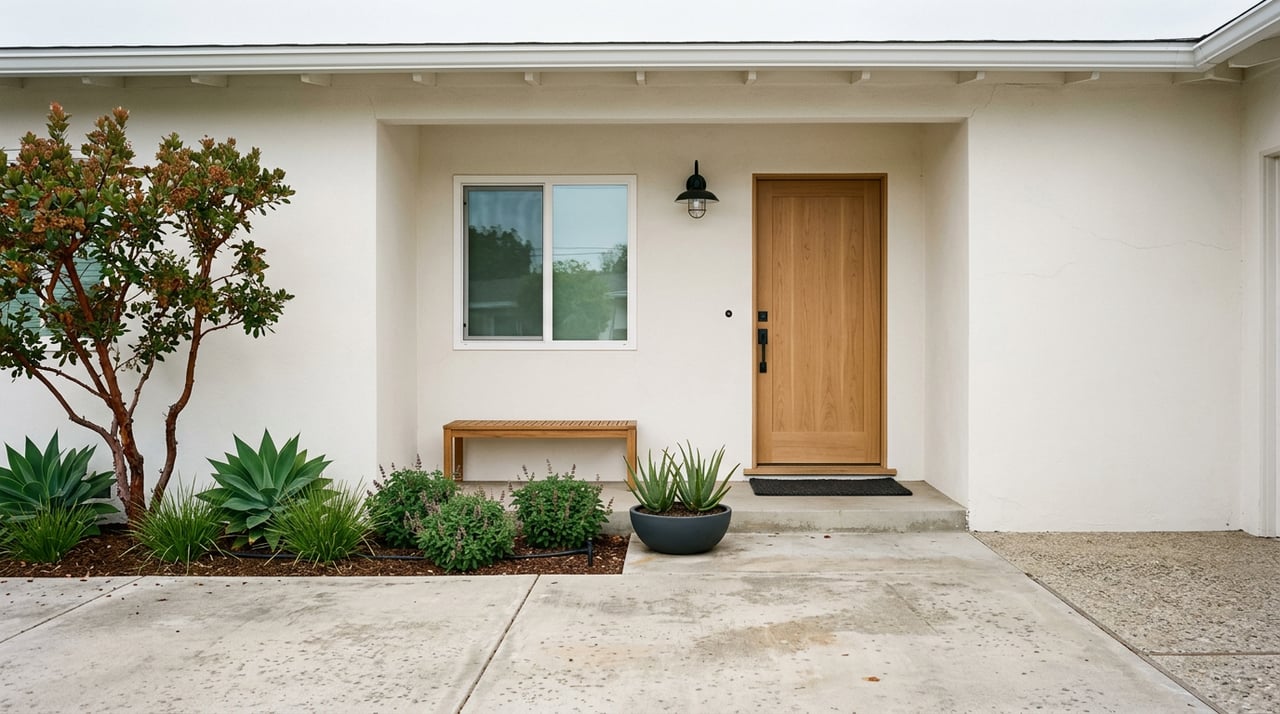
- Curb appeal wins. New garage doors and steel or fiberglass entry doors often rank among the highest recoup projects in Pacific data. Fresh exterior paint and simple landscaping upgrades also help.
- Quick cosmetics. Neutral interior paint, modern light fixtures, updated cabinet hardware, and deep cleaning deliver a big visual lift at a modest cost.
Smart budgeting for pre‑listing work
Set a budget that matches your price band and goals. Typical ranges for pre‑listing work in our region can look like: interior repaint $2,000–$6,000, minor kitchen refresh $15,000–$35,000, bath refresh $5,000–$25,000, and staging from a few hundred dollars for occupied tune‑ups to $3,000–$8,000+ for vacant homes. Use the Pacific regional tables for cost‑recoup planning and always confirm with 2–3 local contractor bids. See the Pacific benchmarks at Remodeling’s Cost vs. Value.
A few tips:
- Align scope to your target list price and recent neighborhood comps.
- Prioritize projects with strong buyer impact before large reconfigurations.
- Track every receipt and warranty. You’ll include them in your disclosures and marketing packet.
An 8–12 week prep timeline
Weeks 0–1: Plan and inspect
- Meet your listing agent to review comps and the target buyer profile.
- Book a pre‑listing home inspection and schedule a Branch‑3 WDO inspection if the home is older or you suspect pests. See California’s WDO inspection standards.
- Confirm past permits were finaled with Garden Grove Building & Safety.
Weeks 1–3: Safety and point‑of‑sale items
- Install or verify required smoke and CO devices. Review California smoke and CO rules.
- Address critical repairs like roof leaks, unsafe electrical, or active water intrusion. Document all work.
Weeks 2–6: Complete targeted upgrades
- Treat WDO Section I items and finish any permitted system repairs.
- Paint interiors in neutral tones, update lighting and hardware, refresh landscaping, and pressure‑wash as needed.
Weeks 5–8: Stage and market
- Deep clean, declutter, and stage priority rooms like the living room, kitchen, and the primary bedroom.
- Order professional photography and build your disclosure packet.
- Staging helps buyers visualize a home and can reduce days on market, according to NAR’s findings. Review the NAR Profile of Home Staging.
Week 8+: List and negotiate
- Expect buyer inspections and possible repair negotiations. Share your inspection, pest report, and permit documentation to support value and keep escrow on track.
What to disclose and document
California requires sellers to deliver core disclosures and specific notices for older homes. Plan these early so buyers feel confident.
- Transfer Disclosure Statement (TDS) and Natural Hazard Disclosure (NHD). These are required in most 1–4 unit sales. See the C.A.R. quick guide on NHD.
- Lead‑based paint disclosure for pre‑1978 homes. Provide the EPA/HUD pamphlet, disclose known information, and allow the inspection period. Learn more at the EPA lead‑based paint disclosure rule.
- Smoke and CO device compliance. Install as required and provide any needed statements. Review state guidance.
- WDO/termite report. Lenders often expect WDO clearance of active items. See California BPC 8516.
- Local water and service information. Garden Grove’s Lead Service Line Initial Inventory and water quality details are available here: city water quality resources.
Staging and photo strategy for mid‑century homes
Your goal is to highlight character while removing distractions.
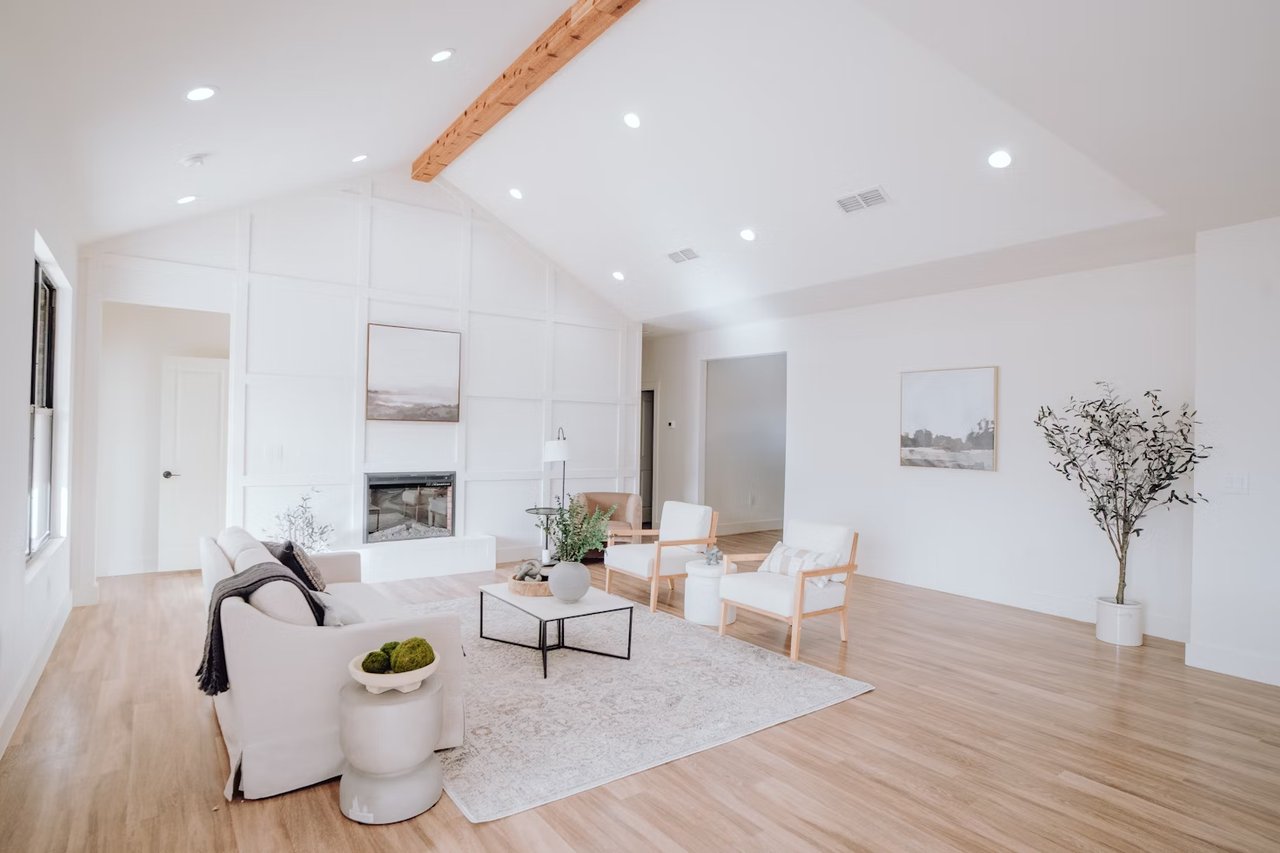
- Keep the lines clean. Use simple, scaled furniture that matches mid‑century proportions and opens sightlines.
- Neutralize dated finishes. Replace busy wallpaper, heavy drapes, or overly ornate fixtures with lighter, modern touches.
- Bridge old and new. Add modern lighting, updated faucets, and fresh hardware to pair with original features.
- Don’t forget outdoor living. Stage patios and yards to show SoCal indoor‑outdoor flow.
- Use professional photos. Most buyers start online, and clear, well‑lit images make your listing stand out. NAR reporting indicates staging helps buyers visualize the property and can reduce time on market. See the NAR staging profile.
Quick prep checklist
- Order a pre‑listing home inspection and a Branch‑3 WDO inspection.
- Fix safety and system issues first: roof, HVAC, electrical hazards, and active water intrusion.
- Install or verify required smoke and CO devices.
- Confirm permit needs with Garden Grove Building & Safety before starting work.
- Complete high‑ROI updates: minor kitchen or bath refresh, garage and entry doors, paint, lighting, curb appeal. Benchmark with Cost vs. Value, Pacific.
- Build your disclosure packet: TDS, NHD, lead pamphlet if pre‑1978, WDO reports, permits, and receipts.
- Stage key rooms and invest in professional photography.
Getting your older Garden Grove home market‑ready is about focus, not flash. Tackle safety and systems, make a handful of strategic updates, and present your home beautifully online. If you want a precise priority list, local contractor introductions, and a pricing strategy that protects your equity, the Lily Campbell Team is ready to help.
FAQs
What should I fix first before selling an older Garden Grove home?
- Start with safety and systems: roof leaks, HVAC reliability, electrical panel safety, and any active water intrusion or structural concerns.
Do I need a termite inspection to sell in California?
- The state does not mandate WDO inspections for every sale, but most lenders and buyers expect one and require treatment of active issues before closing.
Which updates have the best resale ROI in Orange County?
- Minor kitchen and bath refreshes, new garage and entry doors, neutral interior paint, and curb appeal upgrades often deliver strong returns in the Pacific region.
When do I need permits for pre‑listing work in Garden Grove?
- Permits are typically required for structural, electrical, plumbing, and mechanical changes; confirm scope and timelines with Garden Grove Building & Safety.
What disclosures are required for a pre‑1978 home in California?
- You must provide the TDS, NHD, and federal lead‑based paint disclosures, plus give buyers an opportunity to inspect for lead hazards.