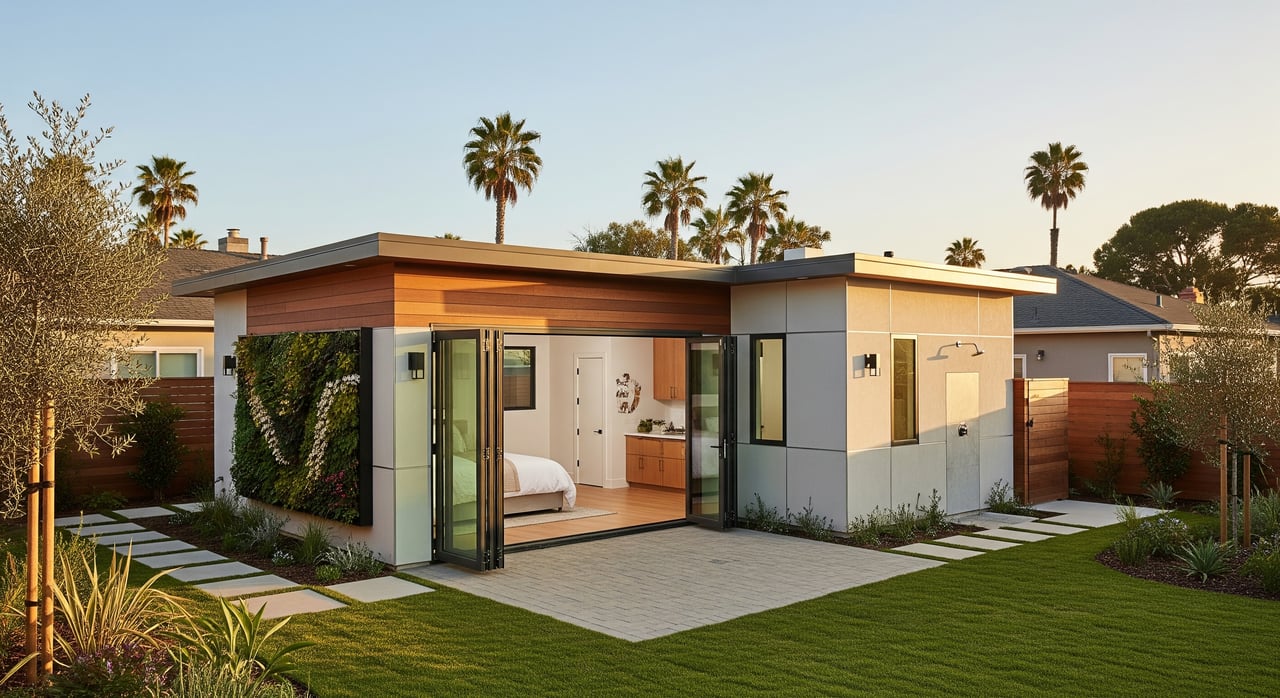
Thinking about adding an ADU to your Huntington Beach property, or buying or selling a home with one? You are not alone. ADUs can create flexible living space and long-term value, but the rules can feel complicated, especially near the coast. This guide breaks down what you need to know about ADU and JADU basics, permits, parking, coastal steps, fees, and timelines in Huntington Beach so you can plan with confidence. Let’s dive in.
ADU basics in California
State law makes it easier to build Accessory Dwelling Units and Junior ADUs and limits how cities can say no. Many projects qualify for ministerial review, which means no discretionary hearing. State rules also set common exemptions for parking and cap certain fees for smaller units. Local rules still matter, so you should confirm details with Huntington Beach planning staff before you submit plans.
ADU types explained
- Detached ADU: A separate backyard structure.
- Attached ADU: Built onto your home or created by converting space in it.
- Converted ADU: From existing areas, like a garage.
- JADU: A smaller unit within the main home that may share systems.
State rules commonly allow at least one ADU and one JADU on single-family lots. Multi-family parcels often have additional options for conversions and new units. Check your zoning and any overlays before you design.
Huntington Beach coastal zone basics
Much of Huntington Beach sits inside the California Coastal Zone. If your property is in this area, you may need a Coastal Development Permit or a consistency check with the City’s Local Coastal Program. Coastal rules can affect placement, design, and timeline. Low-lying and flood-prone areas may have extra requirements. Start with a quick zoning and coastal check before hiring a designer.
Size limits to know
For planning purposes, statewide guidance commonly includes:
- JADU: Up to 500 square feet.
- ADU: Often allowed up to 1,200 square feet, depending on the site and local standards.
Local zoning and lot coverage rules can affect your buildable area. Treat these numbers as general guidance and confirm current Huntington Beach code before finalizing plans.
Setbacks and height
State law often allows reduced side and rear setbacks for detached ADUs, with a commonly referenced 4-foot standard in many cases. Height limits are set locally and can vary by zone. Floor area and lot coverage rules may also apply. Because these details can change by neighborhood or overlay, verify your exact setbacks and height limits with City planning.
Parking rules made simple
Many ADUs do not require new parking under state exemptions. Common exemptions include:
- Within one-half mile of public transit.
- Created within the existing home or by converting an existing accessory structure.
- Located in a historic district.
If none of these apply, the City may require one space, but cannot mandate excessive parking. Coastal visitor areas and very small lots can add complexity, so ask early.
Permitting steps in Huntington Beach
- Pre-application check: Contact the Planning Division to confirm zoning, Coastal Zone status, and basic eligibility.
- Design and documentation: Prepare a site plan, floor plans, elevations, utility notes, and a short project description. If you are converting space, document existing conditions.
- Submit application: Turn in a complete packet to Planning and Building with required fees.
- Review period: Many ADUs qualify for ministerial review. State rules set short timelines to act on complete applications.
- Building permits and inspections: After planning clears, pull building permits and schedule inspections as you build.
- Coastal or other approvals: Properties in the Coastal Zone or special overlays may require extra steps that extend timelines.
Timelines to expect
Many jurisdictions target approval of complete, ministerial ADU applications within about 30 to 60 days under state law. Building permit review and construction add more time. If you need coastal approvals or other overlay clearances, expect added weeks to months. Ask the City for current processing times when you start.
Fees, utilities, and hookups
State law limits or prohibits some local impact fees on smaller ADUs, and many jurisdictions waive or cap fees for units under a certain size, often cited at 750 square feet. Larger ADUs may pay proportionate fees. Plan for building permit fees and utility costs for water, sewer, and electrical work. If a new sewer lateral or water meter is needed, that can affect budget and schedule.
Financing options
Owners often use home equity loans or lines, construction or renovation loans, cash, or specialized ADU financing. If you plan to rent the ADU, some lenders may consider rental income in underwriting, subject to their policies. Talk with your lender early to align design, appraisal, and loan terms.
Insurance and taxes
Adding an ADU can change your homeowners insurance and may increase assessed value. Notify your insurer before construction so coverage keeps pace. For property tax questions, contact the county assessor to understand how the new unit might affect assessments.
Rental and short-term use
ADUs are typically allowed to be rented. Short-term rental rules can be different and may restrict or prohibit short stays. Huntington Beach has had STR regulations in the past, and HOAs may also limit rentals or exterior changes. Confirm the current City rules and your HOA’s CC&Rs before you commit to a rental strategy.
Owner occupancy and HOAs
Owner-occupancy requirements have changed in recent years and vary. Check whether Huntington Beach applies any owner-occupancy rules to your type of ADU or JADU. If you have an HOA, review the CC&Rs for limits on adding structures, exterior design, and renting.
Pre-application checklist
- Confirm your parcel’s zoning and whether it is in the Coastal Zone or a floodplain.
- Call the City’s Planning Division for early guidance on size, height, and placement.
- Gather a current plot map, site plan, and existing floor plans.
- Decide if you will convert existing space or build a detached unit.
- Contact utility providers about water, sewer, electrical needs, and possible fees.
- Review Huntington Beach’s municipal code and current permit fee schedule.
- Check coastal permitting requirements and any environmental or hazard constraints.
- Review HOA CC&Rs for restrictions.
- Consult a licensed architect or builder with local ADU experience.
- Ask the City about short-term rental rules if that is in your plan.
- Call your insurer to discuss coverage and potential premium changes.
- Budget time for plan review, permits, inspections, and utility work.
How this affects buying or selling
If you are selling, an ADU can broaden your buyer pool and provide flexible living options that appeal to many households. If you are buying, confirm that the ADU was permitted and finaled, and ask for plans and inspection records. If you are considering building, think about resale. A well-designed ADU that aligns with local rules and utility capacity can be a long-term asset.
Ready to map out your best path? The local, high-touch advisors at the Lily Campbell Team can help you assess feasibility, understand value impacts, and plan a smart sale or purchase strategy.
FAQs
What is the difference between an ADU and a JADU in Huntington Beach?
- An ADU can be a detached or attached unit, while a JADU is a smaller unit created within the main home and may share systems, with a common statewide size cap of 500 square feet.
Do I need parking for a new ADU near the beach?
- Many ADUs are exempt from new parking, such as units within one-half mile of public transit or created by converting existing space, but you should confirm with the City.
How big can my Huntington Beach ADU be?
- State guidance commonly allows ADUs up to 1,200 square feet, subject to local zoning and lot coverage, so verify current city standards for your parcel.
How long do ADU permits take in Huntington Beach?
- Many ministerial ADU applications are acted on in about 30 to 60 days once complete, with coastal approvals or overlays adding time.
Are ADUs allowed to be rented in Huntington Beach?
- ADUs are typically rentable, but short-term rental rules can restrict stays, and HOAs may add limits, so check current City rules and your CC&Rs.
What fees should I expect for an ADU project?
- Smaller ADUs may benefit from limits on impact fees, while larger units and utility hookups can add costs; ask the City and utility providers for current schedules.
Do Huntington Beach coastal properties need extra ADU permits?
- Many coastal parcels need a Coastal Development Permit or Local Coastal Program review that can affect design and timeline, so confirm early with planning.